Copper Prices Surge Nearly 40%: A Material Shift Under Cost Pressure in Bathroom Hardware
Raw materials have always been the “lifeblood” of the bathroom hardware industry. Over the past year, that lifeblood has been in violent flux — copper prices rose nearly 40% in 2025 and advanced over 25% more since early 2026, with the main Shanghai copper contract climbing from about RMB 84,000 per tonne in December 2025 to fresh highs in January 2026. Rising prices across copper, aluminum and nickel have put cost pressure on every bathroom hardware maker’s desk.
1. A Set of Staggering Price Data
Copper: up nearly 40% in 2025, and over 25% more since 2026; Aluminum: the LME aluminum price reached USD 3,531 per tonne in April 2026, up about 40% year-on-year (amid Middle East conflict and halted electrolytic aluminum capacity); Pass-through: from April 2026, TVs, air conditioners and refrigerators saw supply prices rise 2%–10%, large kitchen appliances 10%–20%, with paints, sanitary ware and other categories following.
2. Why Copper Moves the Bathroom Industry So Much
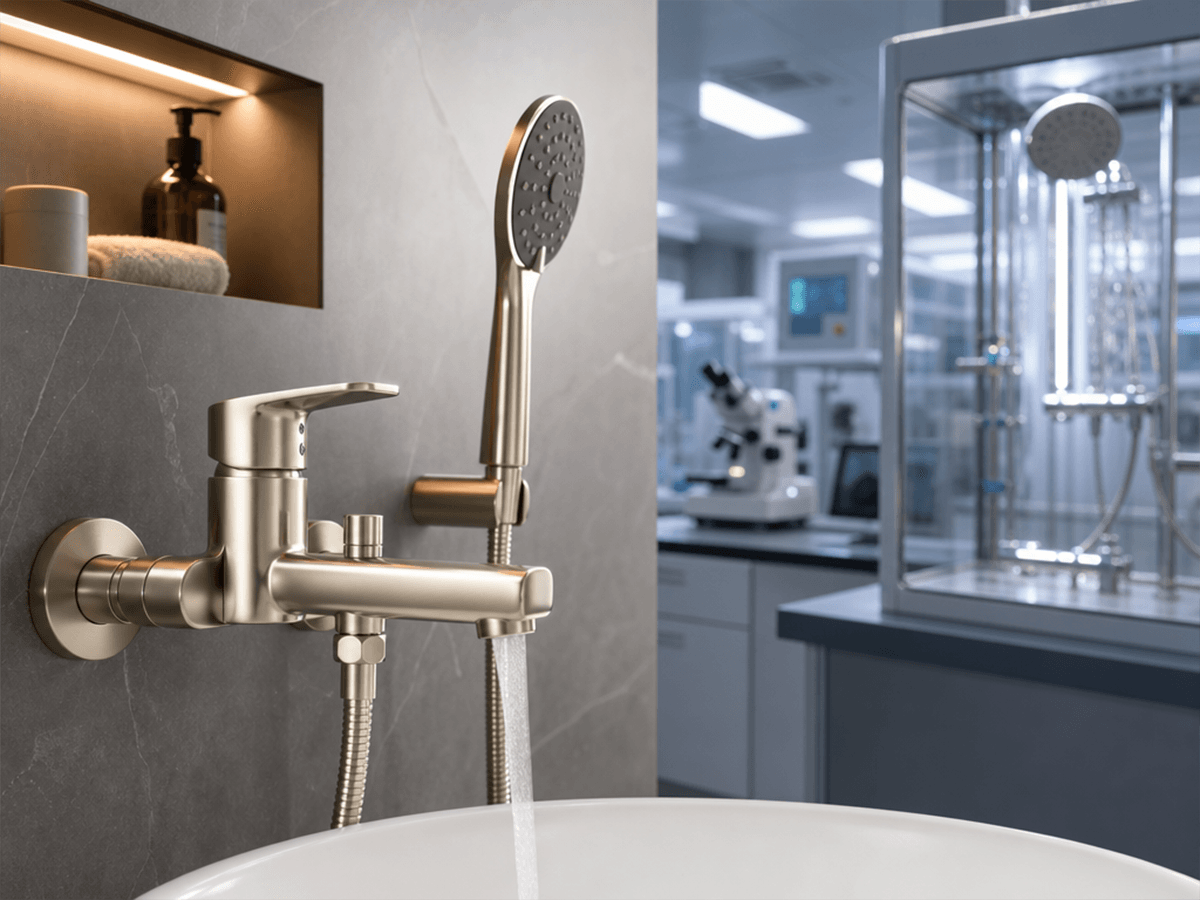
Faucets and showers are primarily made of copper-zinc alloy, so copper prices directly determine gross margins. Every copper price increase nibbles at manufacturing profits. This “broad metal rally” has compounded pressure on already-thin-margin small manufacturers and accelerated polarization: enterprises with supply-chain and capital advantages absorb it smoothly, while those with weaker resilience are being weeded out faster.
3. Three Ways the Industry Responds
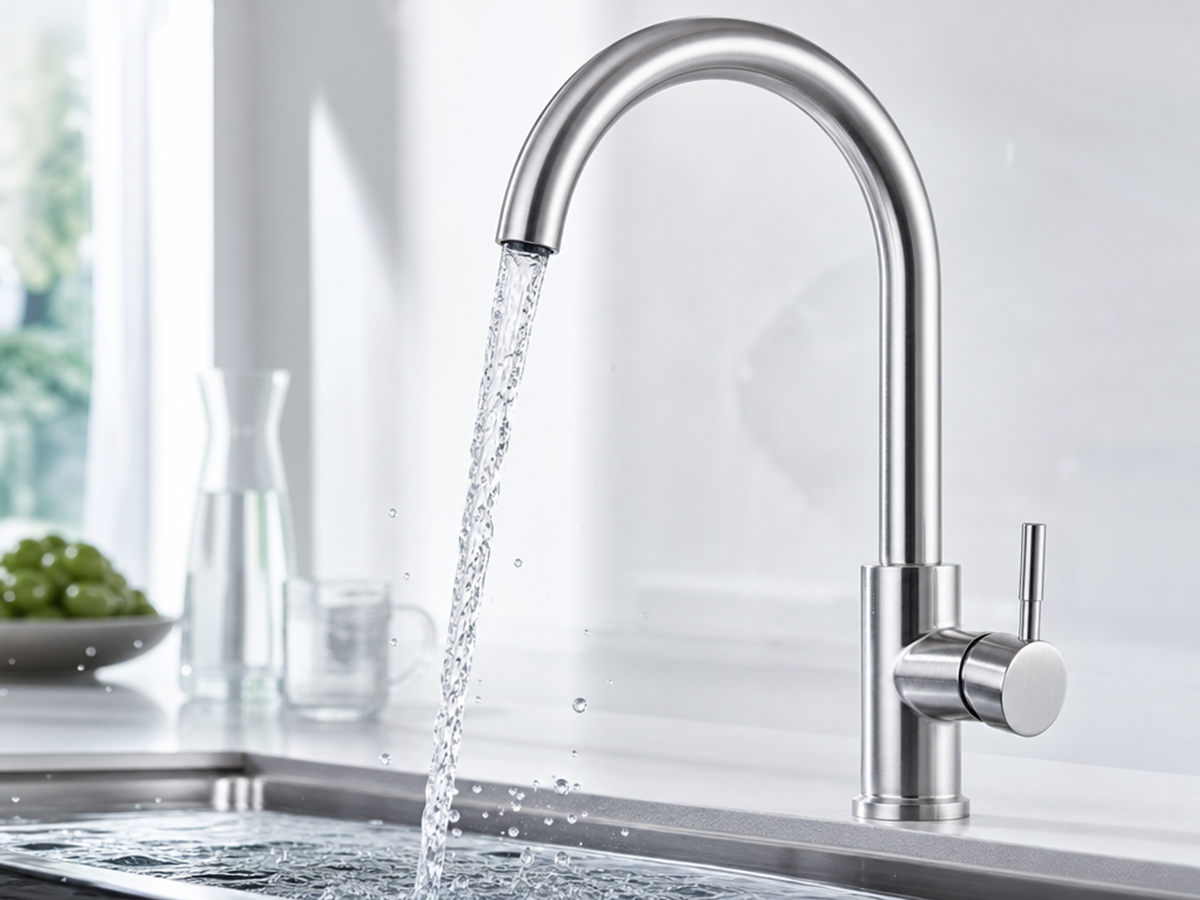
Facing high copper prices, the industry is responding three ways: Price pass-through — in April 2026, several leading sanitary ware companies issued price-adjustment notices, transferring cost pressure moderately to channels and end consumers; Material substitution — Jiangmen in Guangdong has sparked a “material revolution,” with stainless steel and zinc alloy alternatives maturing and “stainless steel faucets” gaining traction for cost-performance and corrosion resistance; Lean cost reduction — optimizing casting processes, structural weight reduction and higher yield rates to extract margin from management.
4. Implications for Brands and Buyers
During high-copper cycles, choosing the right manufacturing partner matters more than ever: factories with multi-material capability (copper, stainless steel, zinc alloy), strong supply-chain integration and stable quality control can offer more flexible cost-quality trade-offs. For buyers, locking in such suppliers delivers more long-term value than simply squeezing prices.
5. FangHong: Multi-Material Solutions to Stabilize Your Cost Base
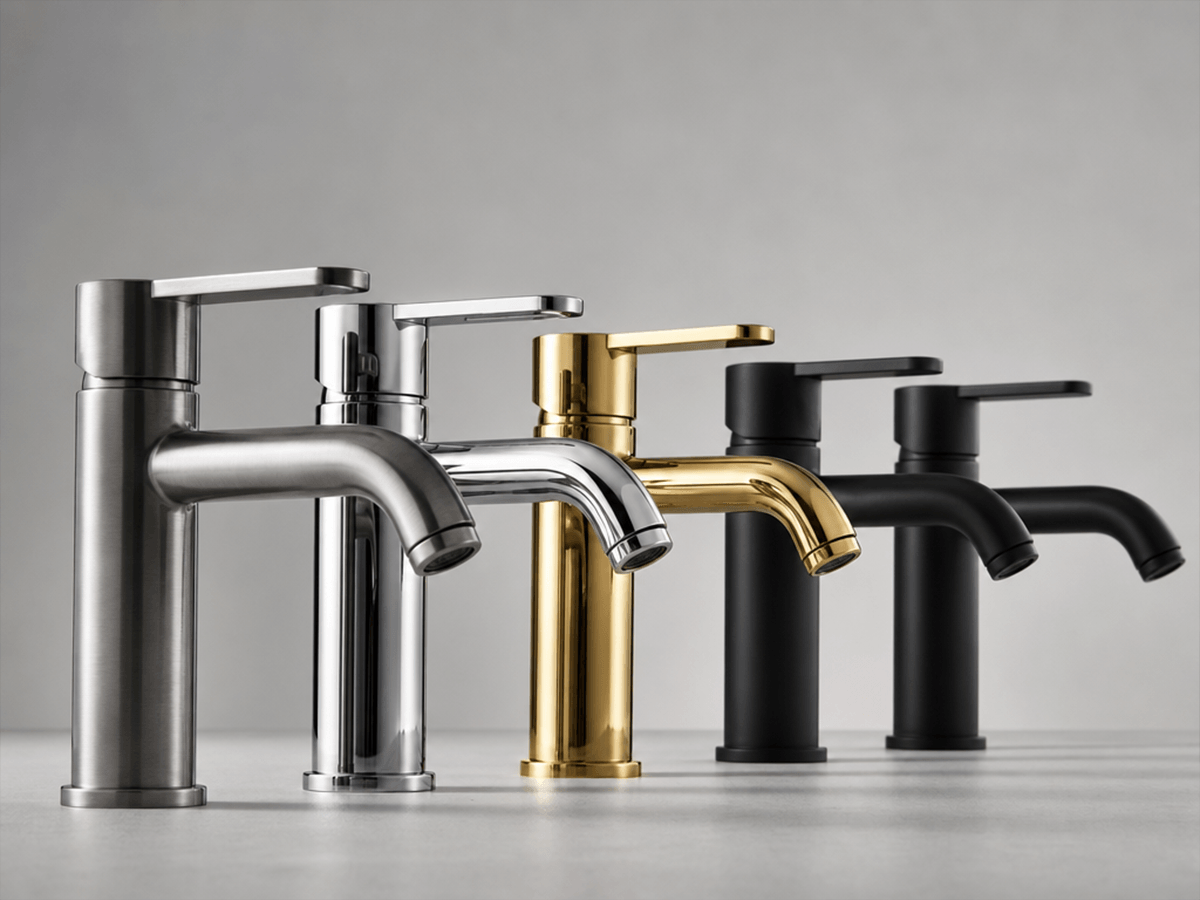
FangHong offers multi-material product capability — copper and stainless steel — across basin faucets, kitchen faucets, shower systems and cartridges. Whether customers target the mass market for value or the premium market for texture, FangHong provides matching material and process solutions, helping customers hold quality and protect margins through raw-material volatility.
Outlook
Copper volatility is cyclical; material capability is long-term competitiveness. In the era of “cost rules,” those who master materials and diversify solutions will ride through the cycle and go farther.